Timeless Hits
The Legendary Trio
Click the legends to reveal the magic of Bujang Lapok.
Ramli
The Mastermind
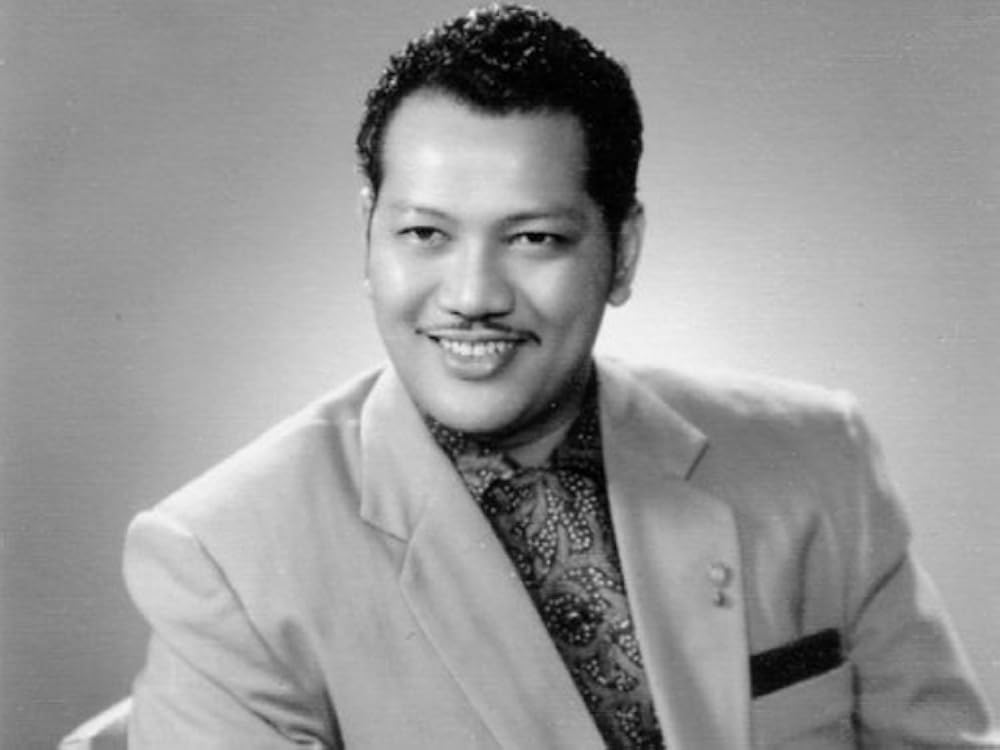
Played by P. Ramlee himself, Ramli was the romantic lead and the frequent target of comedic misfortune, trying to balance logic with absolute absurdity.
Ajis
The Instigator
Played by Aziz Sattar, Ajis was the sharp-tongued, fiercely loyal friend whose quick wit and sarcastic remarks provided endless laughter.
Sudin
The Comedic Heart
Played by S. Shamsuddin, Sudin was the lovable, slightly naive companion whose physical comedy and innocent blunders anchored the trio.
Cinematic Masterpieces
Films that defined generations
It tells the story of three bachelor friends—Ramli, Sudin, and Aziz—who live together in a rented room and face various comedic struggles involving work, strict landlords, and their romantic pursuits. As the film that pioneered the beloved "Bujang Lapok" series, it remains a defining landmark in Malay cinema, perfectly capturing the societal quirks and everyday struggles of the 1950s working class with unmatched wit and charm.
The three bachelors travel to a village to learn the traditional art of self-defense (silat) from a renowned master, Pendekar Mustar. Along the way, they must fend off a gang of local thugs and vie for the affection of the master's beautiful daughter, Ros. Widely regarded as a satirical masterpiece, the film brilliantly uses slapstick comedy to deliver sharp social critiques on illiteracy, feudalism, and blind obedience to authority.
A heartbreaking tragedy following Kassim Selamat, a talented saxophonist who marries the wealthy Sabariah against the harsh objections of her elitist mother, Nyonya Mansoor. Driven to blindness and absolute despair by his manipulative mother-in-law's deceit, the film is famous for its drastic shift from lighthearted romance to intense melodrama. P. Ramlee's agonizing performance earned him the "Most Versatile Talent" award at the 1963 Asian Film Festival.
A razor-sharp social comedy about Jamil, a man who brazenly decides to take three wives—Latifah, Hasnah, and Rohani—while keeping each of them a secret from the others. Absolute chaos ensues when the three wives accidentally become best friends and slowly uncover his elaborate deception. Through impeccable comedic timing and physical humor, the film serves as a brilliant and enduring critique of polygamy.
A powerful melodrama directly confronting the rigid class divides (darjat) within traditional Malay society. The film chronicles the tragic romance between Ghazali, a humble village musician, and Tengku Zaleha, a noblewoman. When her arrogant, status-obsessed family discovers the affair, they brutally separate the lovers, leading to a climax of devastating emotional and physical consequences that shocked audiences.
A hilarious, localized adaptation of the classic Arabian Nights tale. It follows the impoverished Ali Baba, his greedy and ruthless brother Kassim Baba, and a gang of 40 thieves who operate their cavern hideout like a modern corporate syndicate. Filled with anachronistic jokes, catchy musical numbers, and legendary slapstick sequences, it remains one of the most beloved and endlessly quotable comedies in Malaysian history.
Journey of a Legend
The Leading Ladies
The iconic women who graced the silver screen alongside him.
Puan Sri Saloma
The Primadona of Malay Cinema
Born Salmah binti Ismail, Saloma was not just P. Ramlee's beloved wife, but his greatest muse and musical partner. Their iconic duets, such as Malam Ku Bermimpi and Saat Yang Bahagia, defined the romantic era of the 1960s. Her signature vocal style and trendsetting fashion made her the undisputed Queen of Asian Jazz and the perfect counterpart to Seniman Agung's genius.
The Trophy Room
His genius recognized on the international stage.
Best Actor
4th Asian Film Festival, Tokyo (1957)
Anak-ku SazaliBest Comedy Film
6th Asian Film Festival, Kuala Lumpur (1959)
Pendekar Bujang LapokMost Versatile Talent
10th Asian Film Festival, Tokyo (1963)
Ibu MertuakuTan Sri
Posthumous Royal Honour (1990)
Panglima Setia Mahkota