Preparing the Concert Hall...
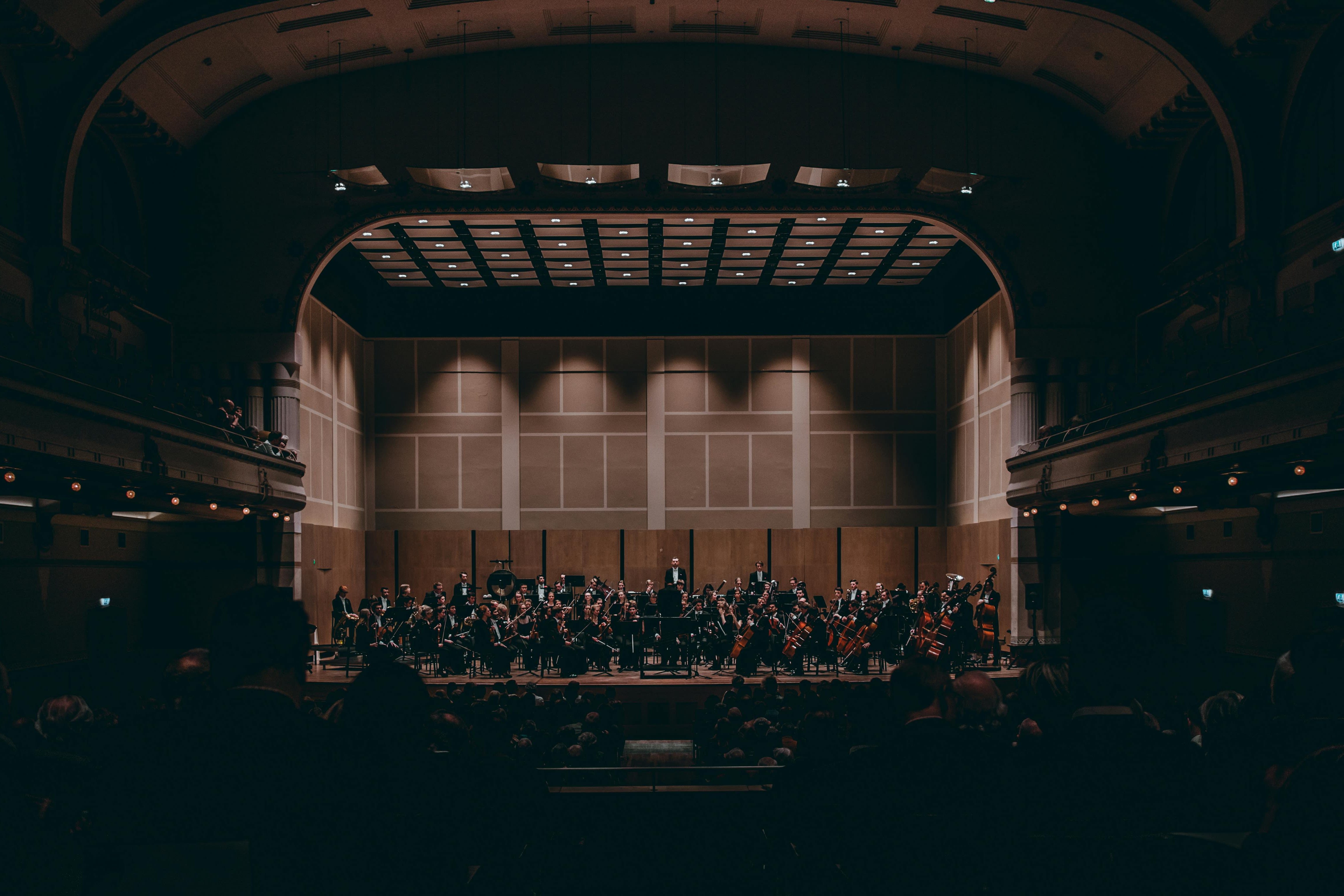
Classical Orchestra Background

Masters of the Classical Era

Discover the genius of Wolfgang Amadeus Mozart and Ludwig van Beethoven.

Scroll to explore
Portrait of Wolfgang Amadeus Mozart in a red coat

Wolfgang Amadeus Mozart

1756 - 1791

A child prodigy who redefined classical music, Wolfgang Amadeus Mozart composed over 800 works across every musical genre of his time. His music is revered for its melodic beauty, formal perfection, and profound emotional resonance.

Eine kleine Nachtmusik Allegro

Honoured Works

  • Requiem in D minor
  • The Magic Flute
  • Symphony No. 40 in G minor
  • Piano Concerto No. 21
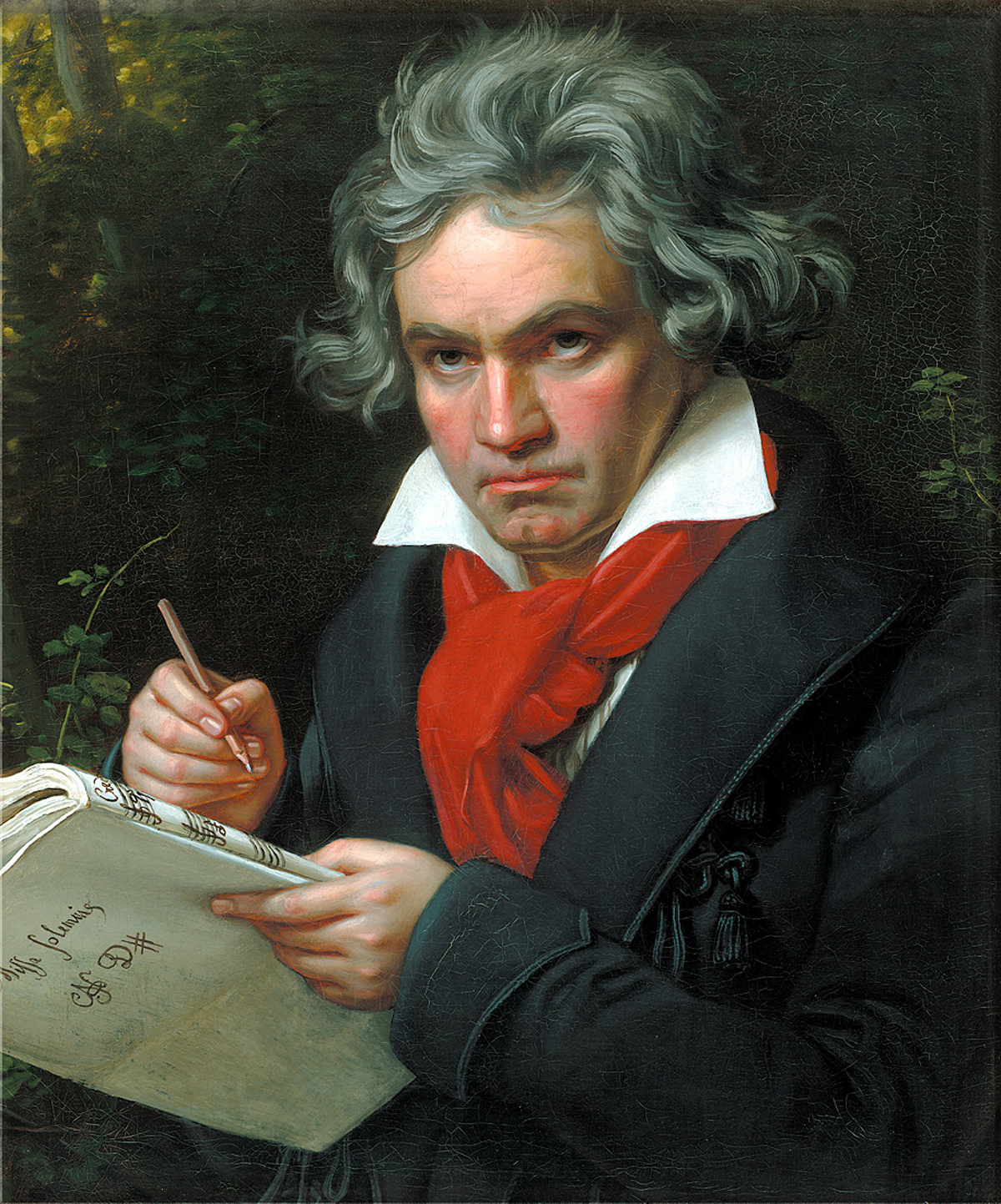
Portrait of Ludwig van Beethoven with a red scarf

Ludwig van Beethoven

1770 - 1827

A revolutionary figure who bridged the Classical and Romantic eras, Beethoven expanded the scope and emotional power of music. Despite his profound struggle with deafness, he created some of the most triumphant and complex works in human history.

Symphony No. 9 "Choral" IV. Ode to Joy (Presto)

Honoured Works

  • Symphony No. 9 "Choral"
  • Piano Sonata No. 14 "Moonlight"
  • Symphony No. 5 in C minor
  • Fidelio (His only opera)

Behind the Music

Mozart's Perfection

Mozart Manuscript

Beethoven's Struggle

Beethoven Manuscript

The Masters' Words

The Masters' Timeline

1756

Wolfgang Amadeus Mozart is born in Salzburg, Austria. He begins playing the keyboard at age three.

1770

Ludwig van Beethoven is born in Bonn, Germany. His early talent is recognized, and he soon supports his family as a musician.

1781

Mozart moves to Vienna. He enters his most productive period, achieving fame as a composer, performer, and teacher.

1791

Mozart composes masterpieces like The Magic Flute and his unfinished Requiem before his tragic death at age 35.

1804

Beethoven's Symphony No. 3 (Eroica) premieres. This massive, complex work shatters classical conventions and heralds the Romantic era.

1824

Profoundly deaf, Beethoven premieres his monumental Symphony No. 9, introducing a chorus into a symphony for the first time.

1827

Beethoven dies in Vienna, leaving a legacy that bridges two eras and influences all classical music that followed.

The Masters' Journeys

Map of Europe

Paris

Mozart performed here as a child prodigy, dazzling the French court.

London

Mozart studied under Johann Christian Bach during his family's grand tour.

Bonn

Beethoven's birthplace. He played viola in the electoral orchestra here.

Vienna

The musical capital. Both composers moved here, achieving their greatest fame.

Salzburg

Mozart's birthplace. He served the Prince-Archbishop here before fleeing to Vienna.

Rome

As a 14-year-old, Mozart transcribed the Vatican's highly guarded Miserere entirely from memory after hearing it once.

Berlin

Beethoven visited in 1796 during his only major concert tour, playing for the King of Prussia and composing his early cello sonatas.

Teplitz

A Bohemian spa town where Beethoven sought a cure for his deafness, met the poet Goethe, and wrote his famous "Immortal Beloved" letters.

The Classical Legacy

How they shaped the art forms we revere today.

The Symphony

Mozart brought exquisite grace and complex development to the symphony, while Beethoven dramatically expanded its length, orchestration, and emotional depth, transforming it into a vehicle for profound philosophical expression.

The Concerto

Mozart practically invented the modern piano concerto, balancing the soloist and orchestra perfectly. Beethoven infused the concerto with heroic struggle, demanding unprecedented virtuosity from the soloist.

The Sonata Form

The structural backbone of the era. Mozart mastered its elegant proportions and conversational interplay, whereas Beethoven broke its rules, stretching the development sections to explore dramatic psychological landscapes.